
81kindlymom
About Me
To guaranty peace of mind, automakers incorporate cutting-edge safeguards into these systems. In order to shield internal components from extremely hot or cold temperatures, intelligent thermal management systems continuously control the temperature by circulating liquid coolants. Cell health is automatically balanced by advanced management software on top of intelligent hardware. The evidence says most won’t. What about warranties? That is a huge safety net that didn’t exist ten years ago.
Eight years or 100,000 miles are the industry standard, but many manufacturers are now pushing that to 150,000 miles. If the battery falls below 70% of its capacity during that time, the majority will replace it. Most importantly, these warranties are generous when it comes to degradation. It indicates that the producers themselves have faith in the durability of their product. They’ve done the math and know the failure rate is incredibly low, so they’re not giving these warranties out of compassion.
Time itself is the other factor. That stretches the math out to well over a decade of daily driving without worry. In order to minimize degradation, they actively guard the cells by controlling temperature and charge rates. The other factor is time itself. Chemistry loves to do its thing, and hybrid batteries are chemical devices. A pack that is used frequently will not deteriorate as quickly as one that is left at 100% in intense heat for months.
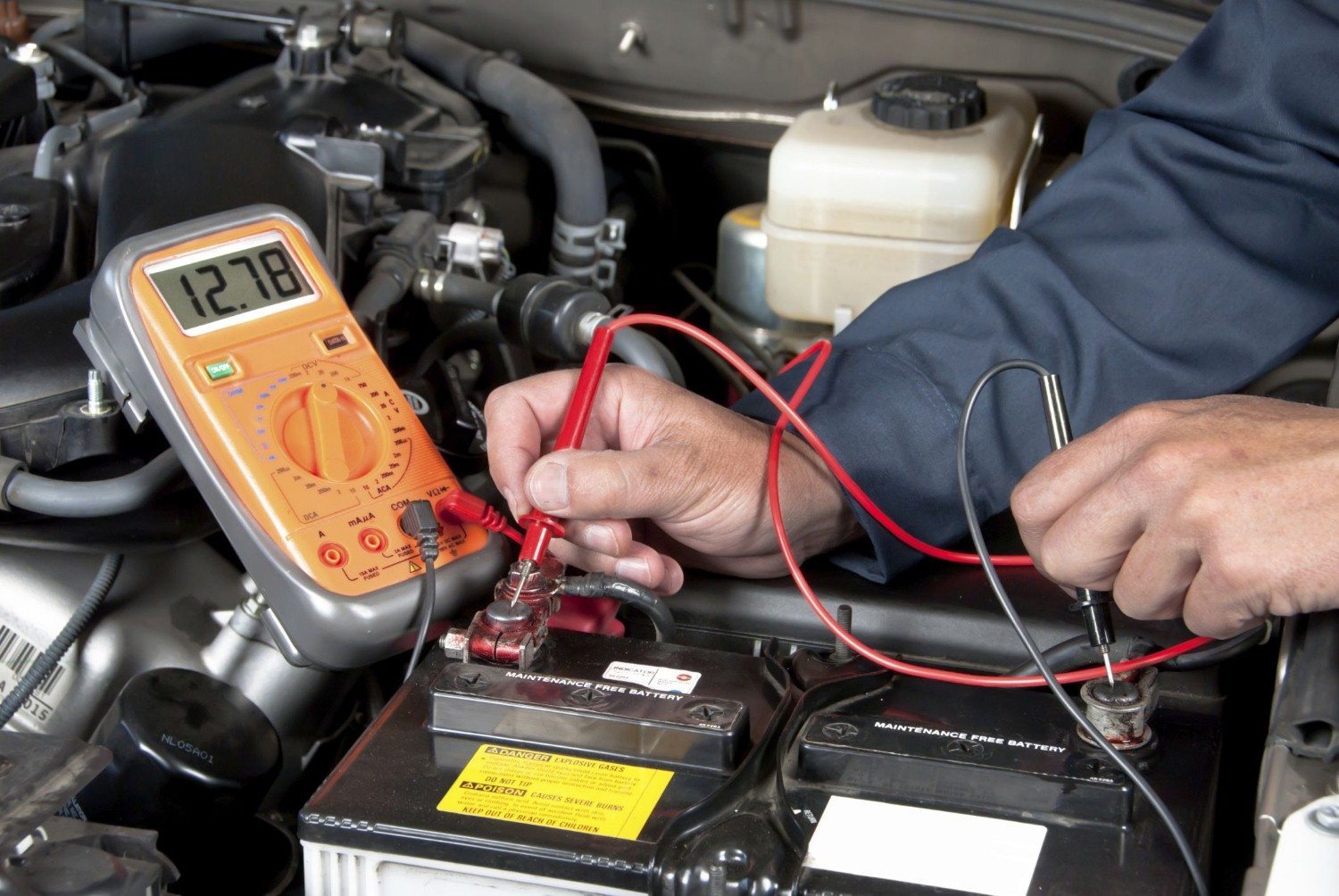 Most likely, the battery will last longer than your interest in the vehicle. Instead of purchasing a ticking time bomb, you are purchasing a long-term, dependable energy source that just so happens to be electric. Rust, interior deterioration, or your personal desire for a new model are typically the more pressing issues. For you as a buyer, this means that range anxiety regarding the battery’s life is essentially eliminated. Any future replacement would be far less expensive than initial projections indicated because battery prices have been steadily declining.
Learning that your battery needs attention is a moment of uncertainty, but it shouldn’t be panic. Many are still used for stationary energy storage in second-life applications, and recycling can recover materials. Your car has an intelligent battery management system (BMS). Even at the top end, it minimizes stress by controlling power, cooling, and charge speed. So, when is it really a good idea to charge 100%? For example, road trips beg for maximum range. A 100% charge combined with a scorching summer day is tougher on the cells than a 100% charge in mild weather.
Well, almost all of the time. So, when is charging to 100% actually a great idea? Additionally, a full charge is advised by many manufacturers on a regular basis for calibration.
